At the seminar “Science, Technology and Sustainable Development,” held as part of the activities celebrating the 35th Anniversary of SACA, Mr. Giap Van Thanh, General Director of Phuong Nam Panel (PNP), shared valuable insights into the development of green building materials in Vietnam. His presentation highlighted the challenges facing the thermal and acoustic insulation materials sector and explored how building material manufacturers can remain competitive in the era of ESG and sustainable development.
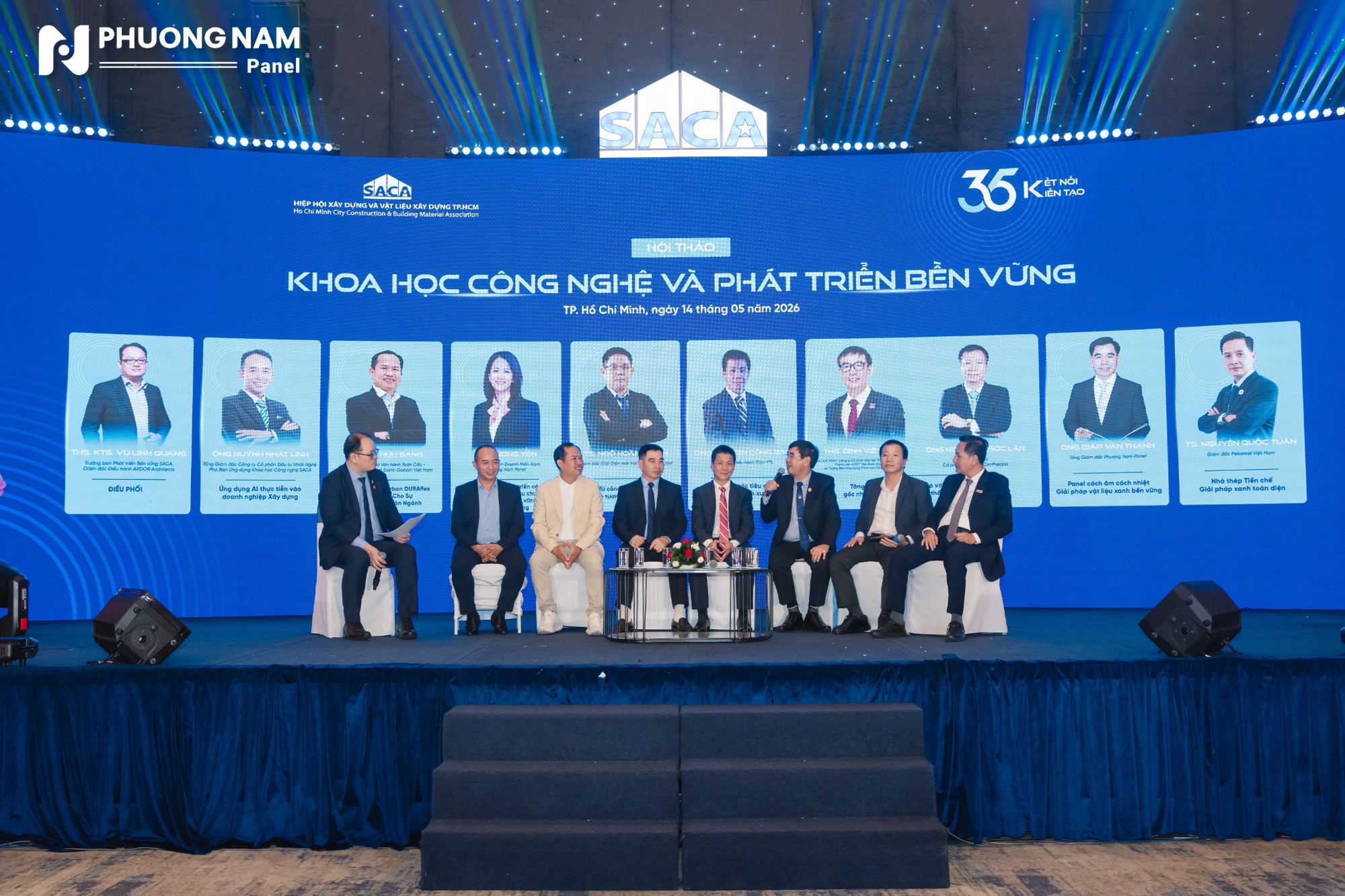
Highlights from the presentations delivered by industry speakers during the seminar.
According to Mr. Giap Van Thanh, the greatest barrier to the wider adoption of sandwich panels today is not product quality or market demand. Instead, it stems largely from traditional construction mindsets and long-established building practices in Vietnam.
The common perception of building structures to last for generations has led many investors to continue favoring conventional heavy construction methods. However, the operational requirements of modern facilities are evolving rapidly, demanding greater flexibility, efficiency, and sustainability.
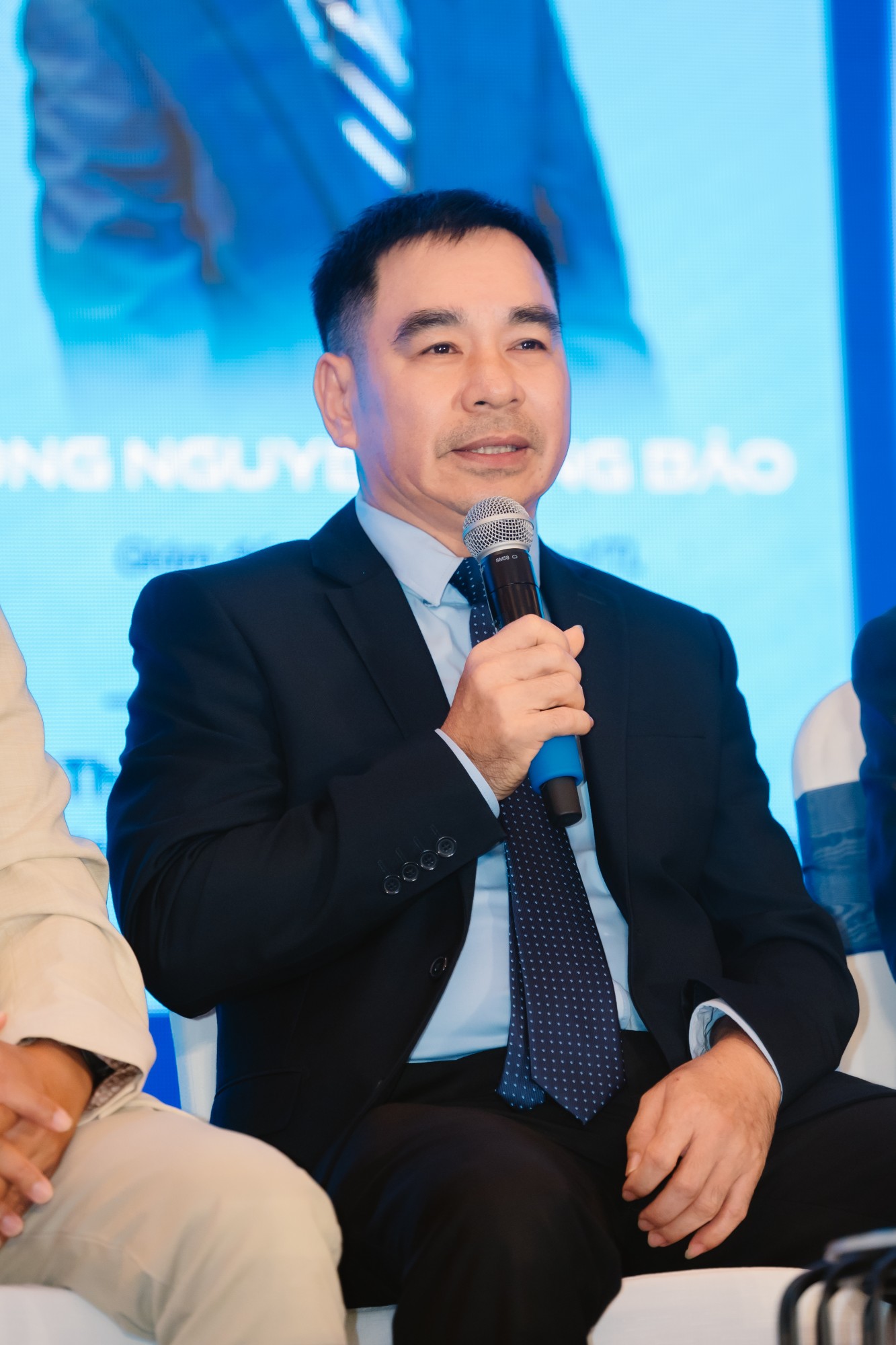
Mr. Giap Van Thanh, General Director of Phuong Nam Panel, sharing insights during the seminar.
This shift is particularly evident in industrial facilities, logistics centers, cold storage warehouses, and high-tech manufacturing plants, where heavy wall systems, lengthy construction schedules, and high energy consumption are no longer the most effective solutions.
According to PNP, while market demand is changing quickly, accelerating the adoption of green building materials requires more than technological advancement. The industry also needs a significant transformation in mindset, supported by a stronger regulatory framework and more comprehensive technical standards.
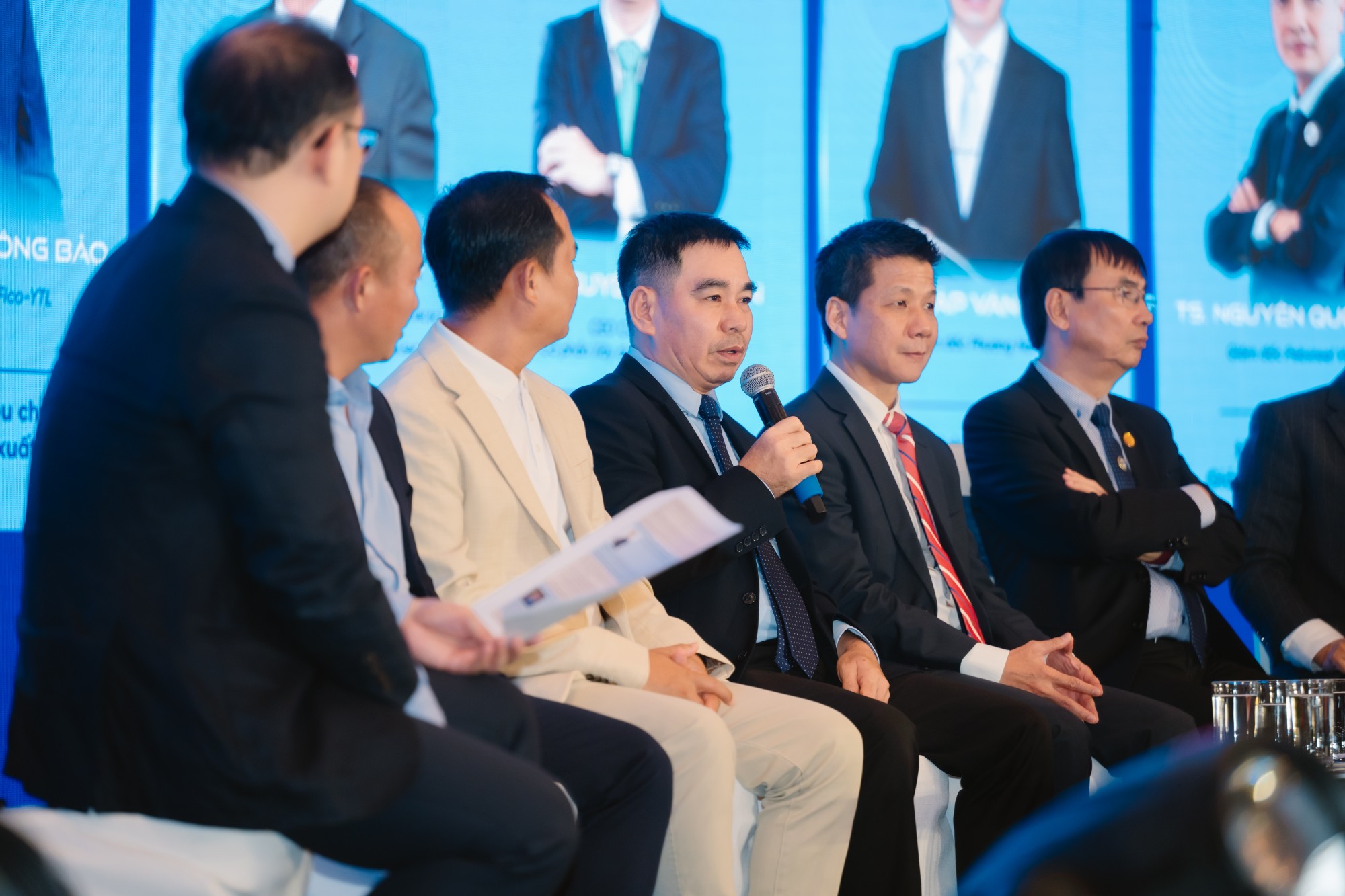
Mr. Giap Van Thanh discussing the future of green building materials at the seminar.
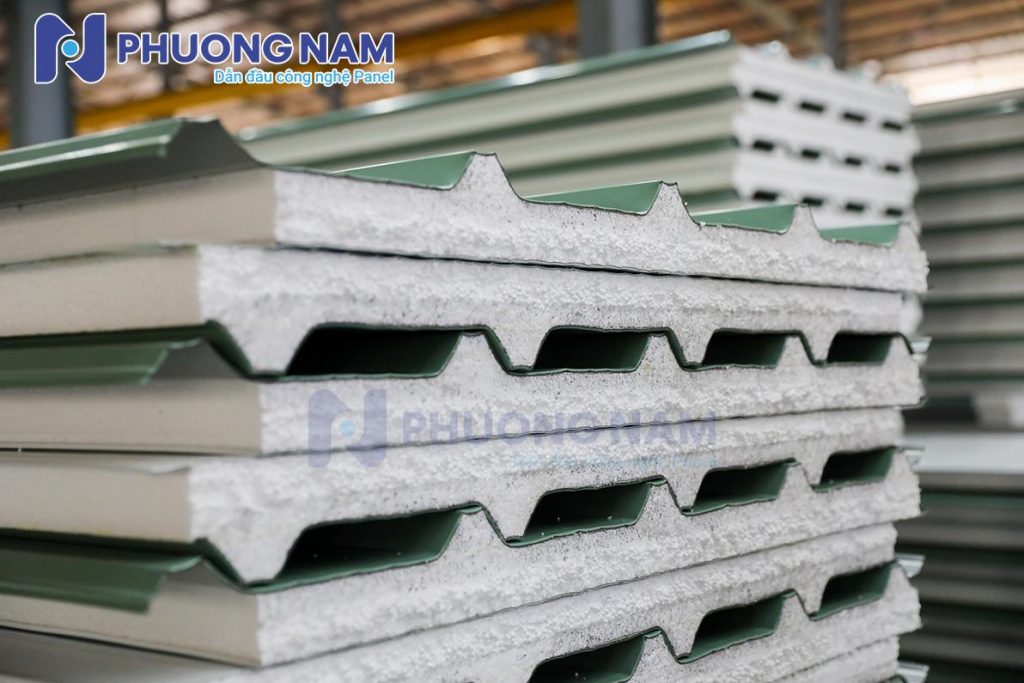
Although sandwich panels are increasingly being used to replace traditional brick walls in industrial and commercial projects, dedicated standards and technical guidelines for these materials remain limited. This lack of standardized frameworks creates challenges for broader market adoption and industry-wide consistency.
Mr. Thanh emphasized that addressing this issue is not solely the responsibility of panel manufacturers. It requires collaboration among industry associations, regulatory authorities, technical organizations, and building material companies to establish standards aligned with the growing demand for sustainable construction solutions.
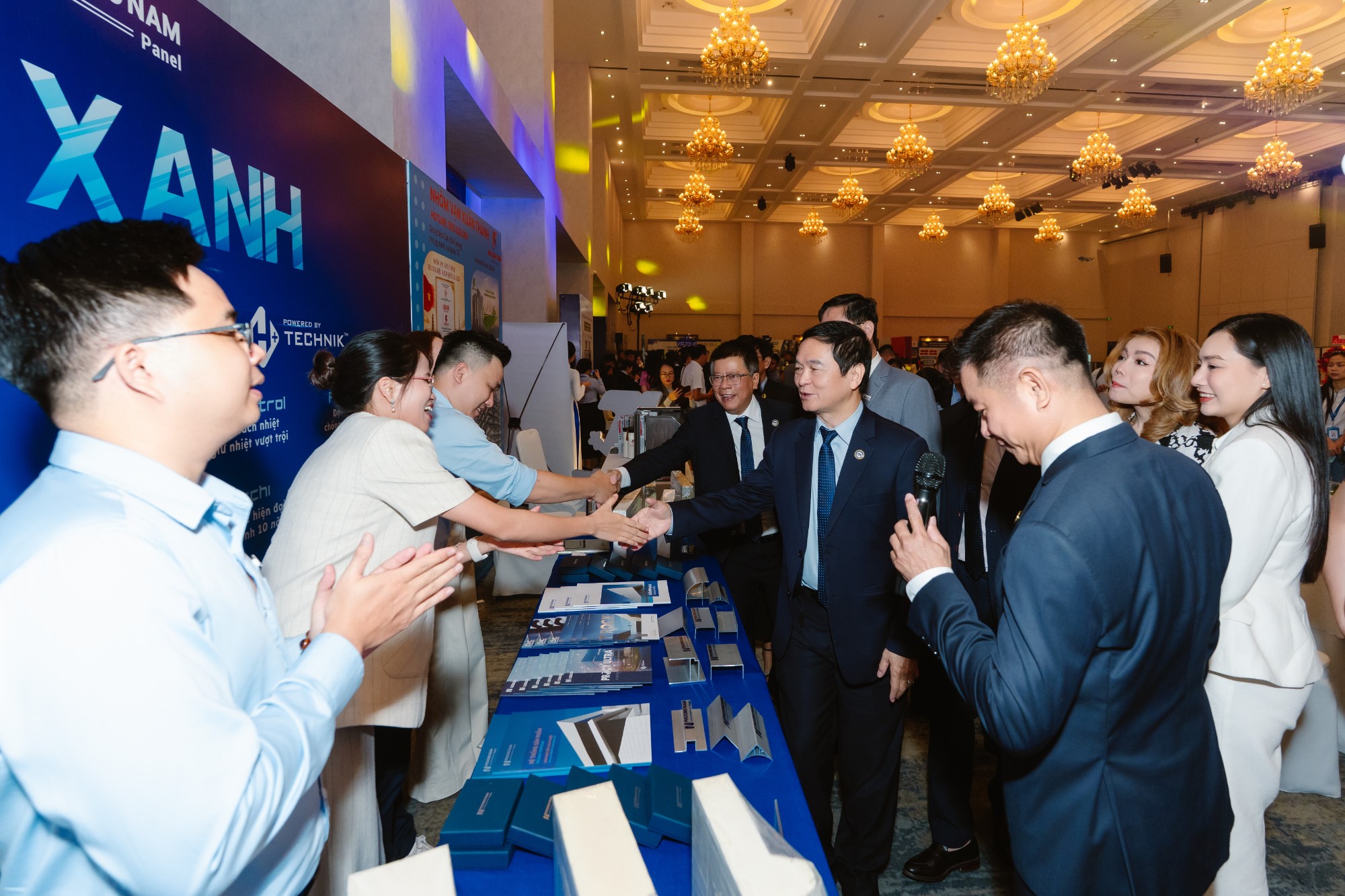 Beyond technical considerations, one of the key messages delivered during his presentation was the importance of building a collaborative construction ecosystem.
In today's rapidly evolving market, sustainable growth cannot be achieved in isolation. Businesses must leverage the collective strengths of associations, suppliers, technology providers, strategic partners, and industry leaders to share knowledge, resources, and opportunities. Success increasingly depends on a spirit of collaboration rather than fragmented competition.
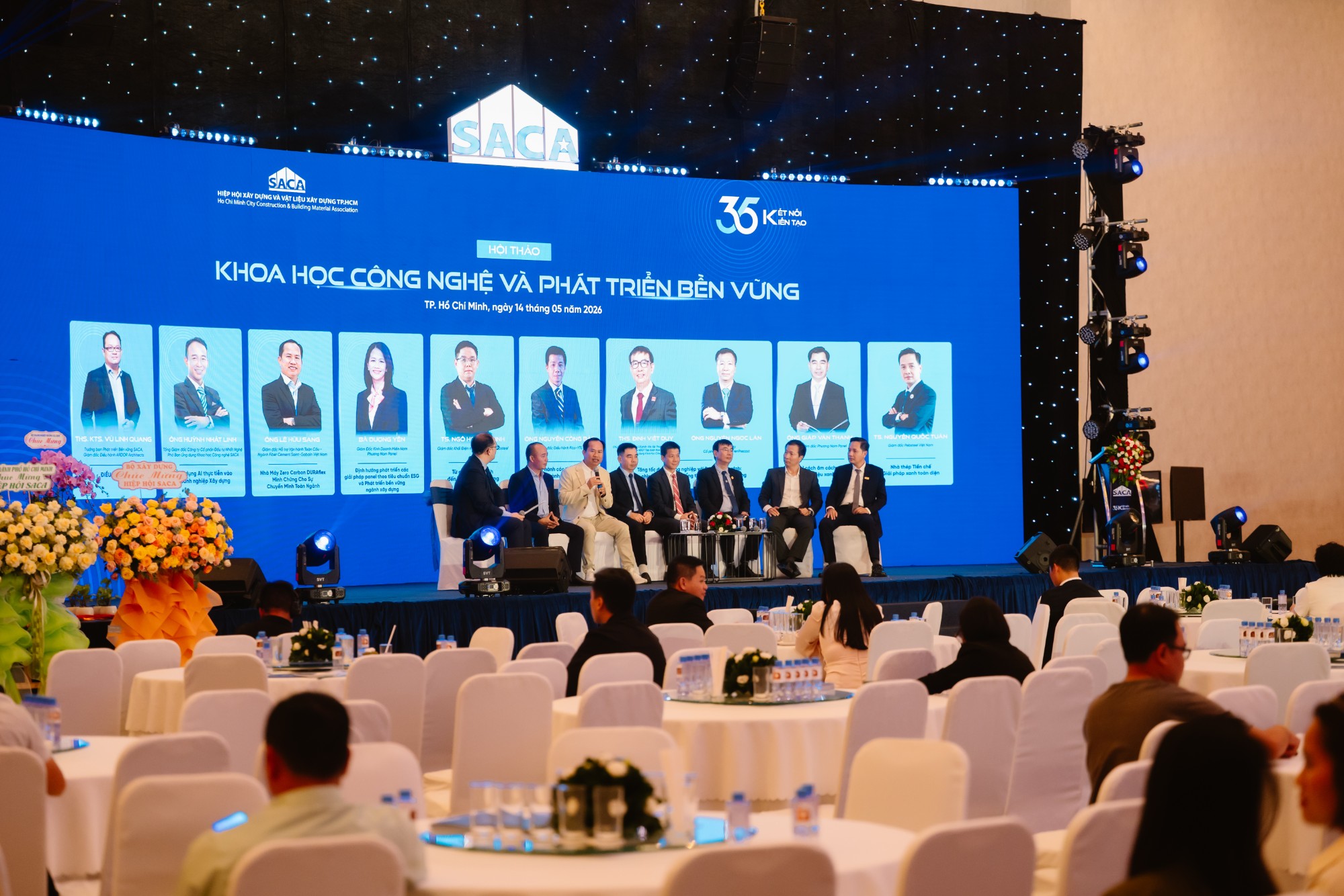
This is precisely why industry events such as the “Science, Technology and Sustainable Development” seminar play an increasingly important role in accelerating green transformation across Vietnam's construction sector.
For Phuong Nam Panel, the development of green building materials extends far beyond product innovation. It represents a long-term commitment to working alongside the construction industry to create buildings that are more efficient, adaptable, and sustainable for future generations.