The harvest season places significant pressure on the entire food processing and storage chain. For fresh agricultural products, even minor fluctuations in temperature or humidity can reduce product quality, shorten shelf life, and directly impact commercial value.
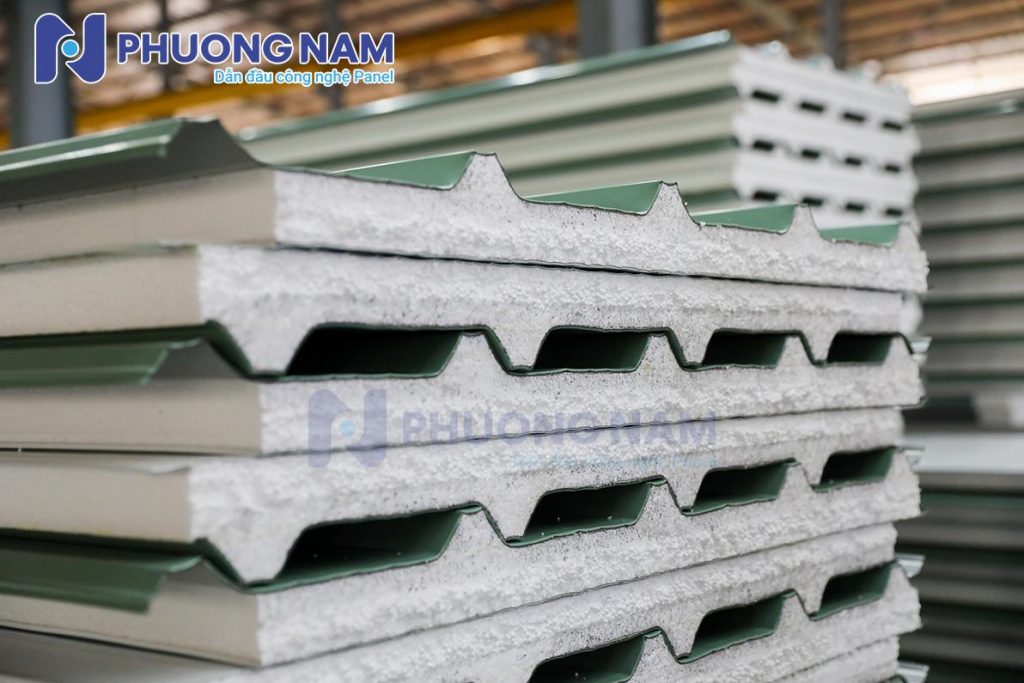
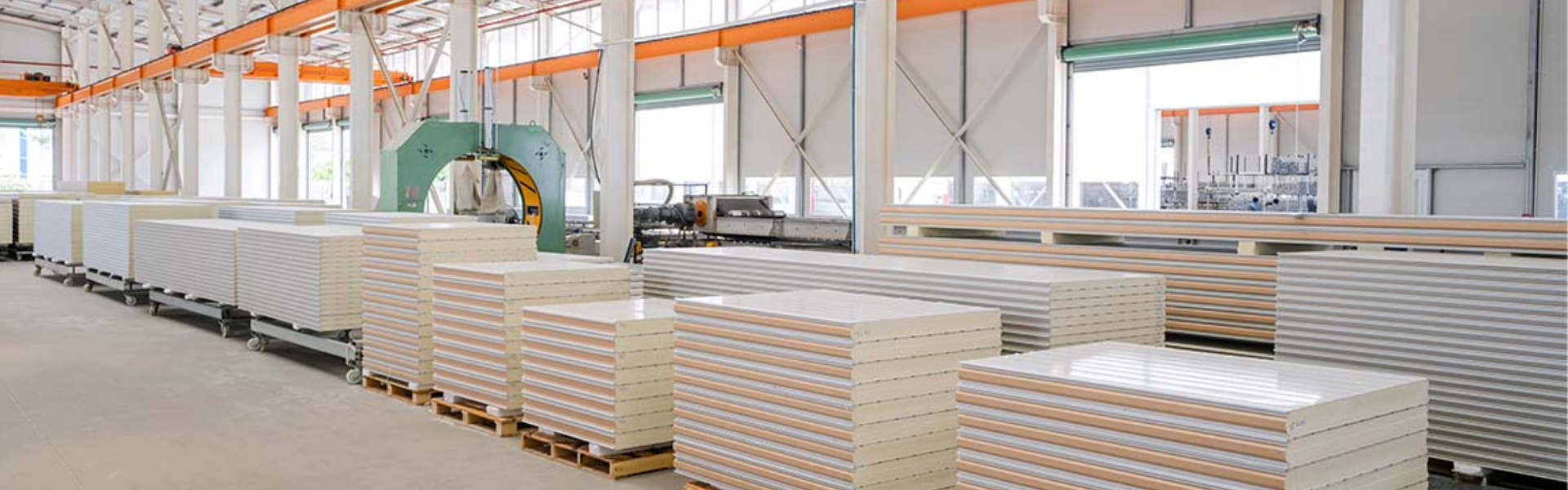
Insulated sandwich panels, featuring airtight joint systems, excellent thermal performance, and food-grade hygienic surfaces, have become a preferred solution for food processing facilities seeking reliable and continuous operation during peak production periods.
This is one of the key reasons why insulated panel systems are being increasingly adopted across the food manufacturing industry today.
 Processing and Preparation Areas: Insulated panels help create clean, hygienic environments that are easy to maintain while supporting stable production conditions throughout the processing cycle.
Chilled Storage (0°C to +15°C): High-performance thermal insulation helps maintain consistent temperatures, minimize heat transfer, and reduce the workload on HVAC and refrigeration systems.
Cold Storage and Freezer Rooms (0°C to -40°C): A tightly sealed panel system provides superior thermal retention, minimizes condensation risks, and protects product quality during long-term storage.
Packaging Areas: With smooth, moisture-resistant surfaces that are easy to clean, insulated panels support strict hygiene requirements commonly found in the food industry.

A properly designed insulated panel system does more than protect product quality. It can significantly reduce refrigeration operating costs, extend equipment lifespan, and help facilities comply with increasingly stringent customer requirements and regulatory standards.
Whether a facility is planning a new construction project, upgrading an existing cold storage area, or expanding capacity to meet seasonal demand, selecting the right insulated panel solution from the design stage is essential to achieving optimal long-term performance.