Not every building material is capable of helping a seafood processing plant meet export standards.
In the seafood processing industry, a factory is built not only for production but also to comply with stringent food safety systems such as HACCP, GMP, and SSOP, as well as the requirements of export markets including the EU, the United States, or Japan.
However, the actual operating environment is far more demanding than in most other industries:
 Poorly sealed insulated panels allow cold room temperatures to fluctuate, compromising the quality of frozen shrimp, fish, and other seafood.
Moisture and salt exposure especially in coastal facilities accelerate steel corrosion and shorten the service life of the building.
Large temperature differences between indoor and outdoor environments cause condensation, leading to water droplets that can contaminate production lines.
Routine cleaning and sanitizing chemicals can degrade surface coatings if the building materials lack sufficient corrosion resistance.
Even a single weak point can disrupt operations, jeopardize export certifications, and result in significant financial losses and reputational damage.
That is why the building envelope is no longer just the outer shell of a factory it is an integral part of the system that enables a seafood processing plant to achieve and maintain international standards.
PNP's solutions to these challenges:
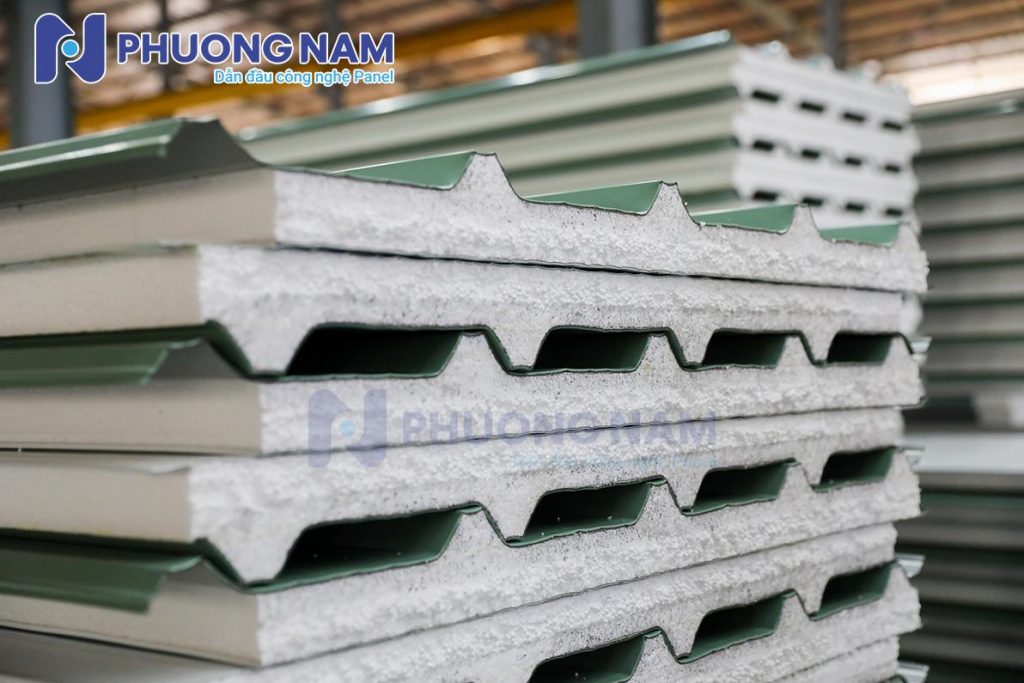
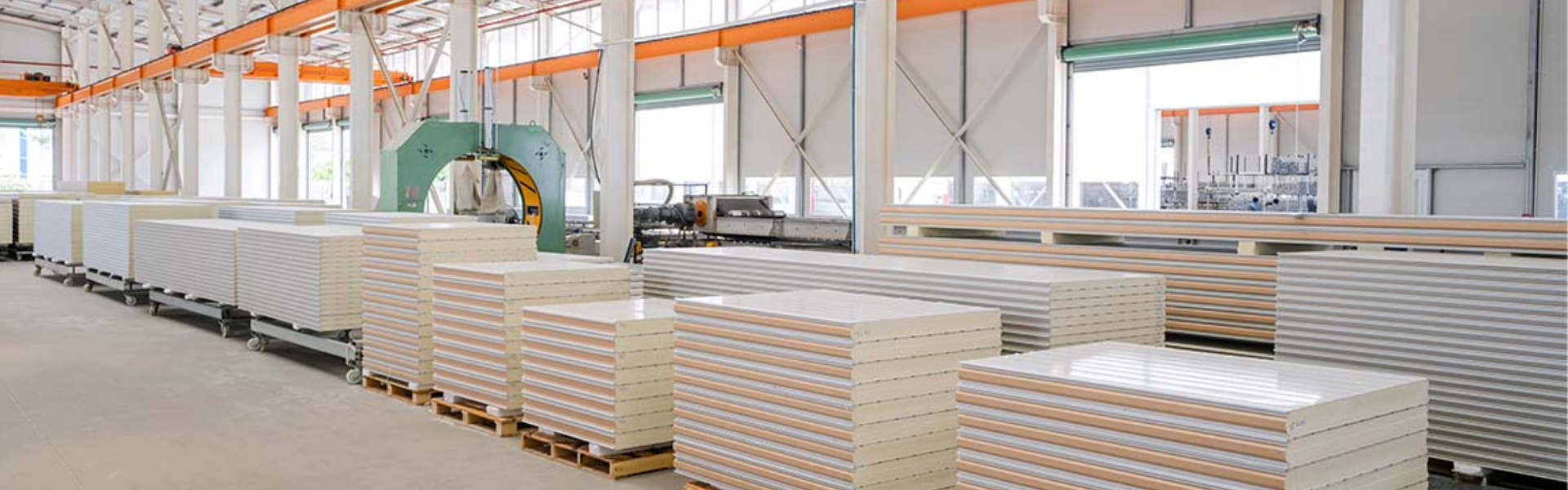
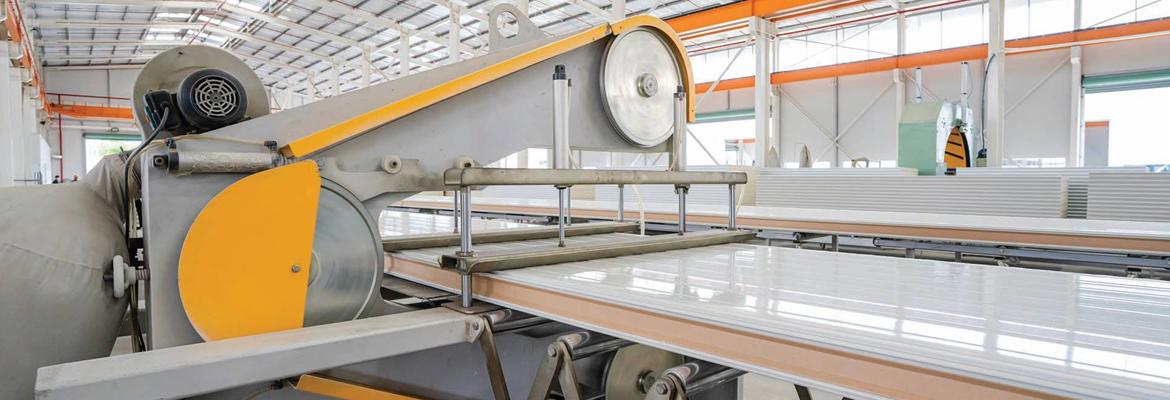
 High-performance PIR Procy insulated panels maintain stable cold storage temperatures while improving energy efficiency.
A tight interlocking joint system minimizes thermal bridging and reduces condensation on ceilings and walls.
BlueScope AM100 steel or stainless steel facings provide outstanding corrosion resistance, making them ideal for humid, saline environments and facilities requiring frequent washdowns.